Can You Still Fire and Rehire Staff on Worse Terms?
Can You Still Fire and Rehire Staff on Worse Terms?
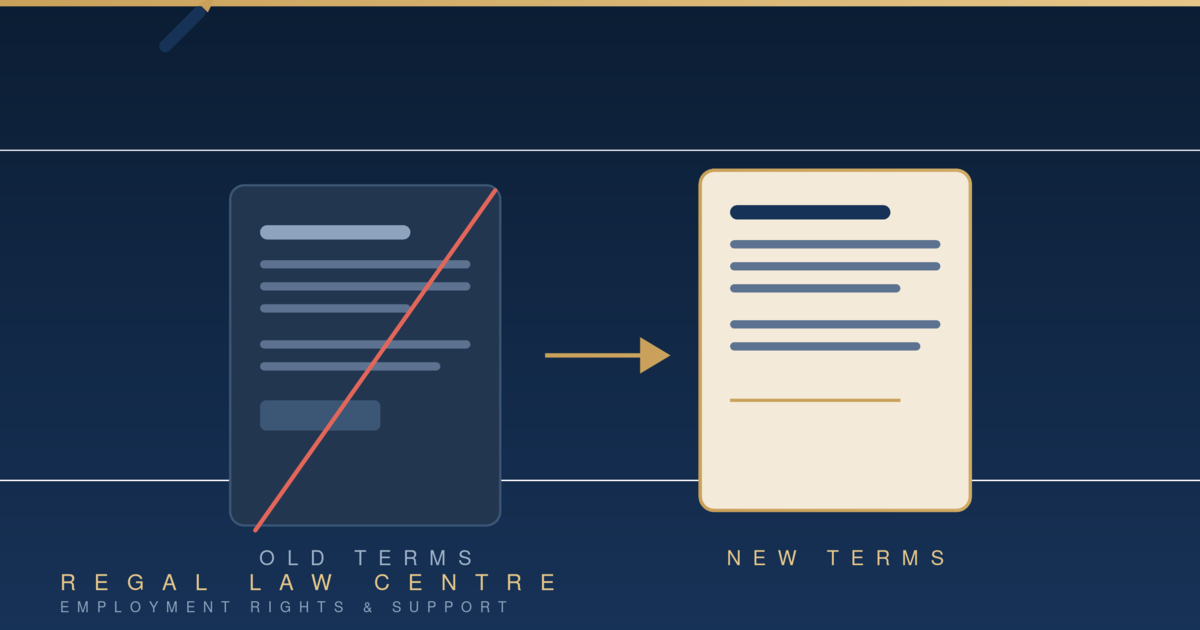
Say business costs have gone up and you need to cut pay, hours or holiday entitlement to survive. The employee won't agree, so you dismiss them and immediately offer their old job back on the new terms. It's legal today. Under Section 28 of the Employment Rights Act 2025, in most cases, it won't be for much longer.
What "Fire and Rehire" Actually Means
It's the practice of dismissing an employee who refuses to accept a change to their contract, then re-engaging them, or someone doing essentially the same job, on the new terms. Right now, it's generally lawful provided the employer follows a fair process and has a genuine business reason. That's what changes.
What's Changing
Section 28 of the Act makes it automatically unfair to dismiss an employee for refusing a "restricted variation," a defined list covering cuts to pay, changes to pension terms, changes to contracted hours, reductions in time off, and clauses that let an employer make these changes unilaterally in future. It's automatically unfair whether the employer dismisses the employee outright, or dismisses them and replaces them, on those worse terms, with someone else, an employee or otherwise, doing the same job.
Changes outside that list aren't automatically unfair, but a tribunal will still weigh the reason for the change, what consultation took place, and what was offered in return, so it's not a free pass either.
The Narrow Exception
There is a defence, but it's a high bar. An employer must show the change was genuinely necessary to prevent serious financial difficulty threatening the business as a going concern, and that there was no reasonable way to avoid it. Even then, a tribunal will look at consultation, trade union or employee representative involvement, and what was offered in exchange for agreement. Cost-cutting alone won't clear this bar.
Where This Actually Stands Right Now
As of today, this protection has not yet been brought fully into force. The government's published timeline points to it landing later in 2026. Until it does, fire-and-rehire remains lawful under the existing rules, just not for much longer, and the window to get ahead of it with genuine consultation is closing.
What To Do If a Restructure Is Already on the Table
If you're an employer with a cost-cutting plan involving pay, hours, pensions or holidays, getting agreement through genuine consultation now is far safer than relying on fire-and-rehire once this provision bites. Terms agreed through real negotiation before it takes effect won't need to survive the new test at all.
If you're an employee who's been told to accept new terms or lose your job, it's worth knowing this protection is coming, and worth getting advice before signing anything you're unsure about.
Whichever side of this you're on, get in touch and we'll tell you where you actually stand.
Speak to us about an employment matter: info@regallawcentre.com
Office: Regal Law Centre, Neo House, Riverside Drive, Aberdeen, AB11 7LH
Related Insights
SSSC Is Rewriting Its Fitness to Practise Rules. Here's What Could Change.
The SSSC has consulted on its first full rewrite of the Fitness to Practise Rules since 2016. Here's what's being pro...
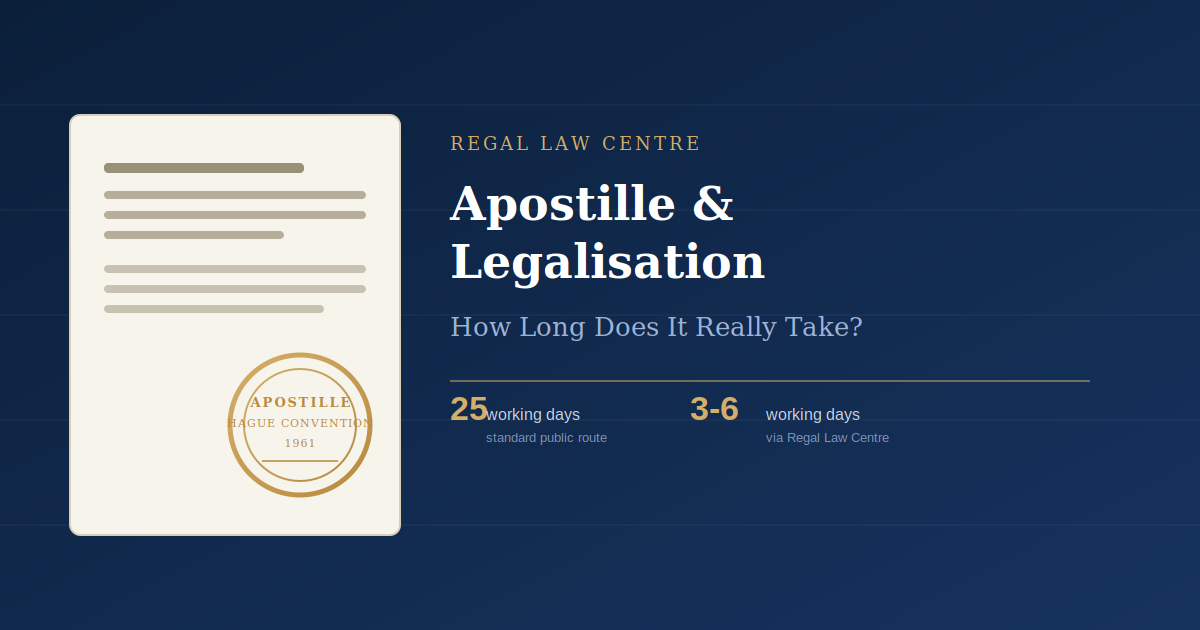
How Long Does It Actually Take to Apostille a Document in 2026?
The real FCDO apostille turnaround times for 2026 — from the 25-working-day standard public route to our next-day and...